
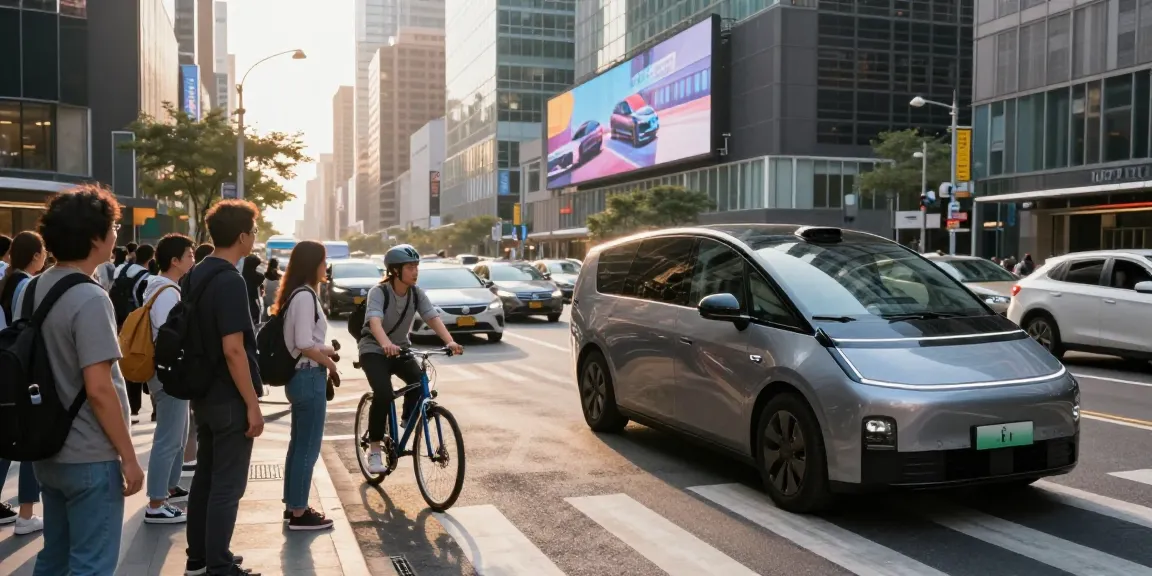
Understanding Autonomous Driving Technology
As the world moves towards greater technological integration, autonomous driving has emerged as a groundbreaking innovation poised to revolutionize transportation. This convergence of automotive engineering and digital technology promises safer roads, reduced traffic, and an enhanced user experience. Yet, many remain unaware of what autonomous driving actually entails and the complexities that surround it. This article delves into the multidimensional world of autonomous vehicles, exploring definitions, underlying technologies, current challenges, real-world applications, and future trends.
What is Autonomous Driving?
Autonomous driving refers to the capability of a vehicle to navigate and operate without human intervention. These vehicles utilize a combination of sensors, cameras, and artificial intelligence software to interpret their surroundings and make driving decisions. The goal is to mimic an experienced driver’s decision-making process, enhancing safety and efficiency on the roads. Autonomous driving holds the potential to significantly reduce accidents caused by human error, which is responsible for approximately 94% of all traffic incidents.
Key Technologies Behind Autonomous Vehicles
The success of autonomous vehicles hinges on several key technologies. These include:
- LiDAR: Light Detection and Ranging (LiDAR) systems create detailed 3D maps of the environment, allowing the vehicle to perceive distance and layout with high accuracy.
- Computer Vision: This technology enables vehicles to “see” their surroundings through cameras, interpreting images and identifying obstacles, pedestrians, and traffic signals.
- Artificial Intelligence: AI algorithms process the vast amounts of data from sensors and cameras, enabling the vehicle to make instantaneous driving decisions.
- Global Positioning System (GPS): GPS technology helps vehicles understand their location in the world, providing essential data for navigation.
When exploring options, autonomous driving technology offers comprehensive insights into how such vehicles function, appealing to both tech enthusiasts and everyday consumers.
Levels of Automation Explained
Autonomous driving is classified into six levels, ranging from Level 0 (no automation) to Level 5 (full automation). Each level describes the degree of autonomy the vehicle can achieve:
- Level 0: No automation; human drivers control every aspect of the vehicle’s operation.
- Level 1: Driver assistance features are available, such as adaptive cruise control.
- Level 2: Partial automation; the vehicle can control both steering and acceleration/deceleration, but the driver must remain engaged.
- Level 3: Conditional automation; the vehicle can handle most driving tasks, but the driver must be ready to take over when requested.
- Level 4: High automation; the vehicle can operate independently in specific conditions or environments (geofenced areas).
- Level 5: Full automation; no human intervention is required in any conditions, with the vehicle capable of managing all tasks autonomously.
Current Challenges in Autonomous Driving
Regulatory Hurdles and Compliance
The introduction of autonomous vehicles faces numerous regulatory challenges. Each jurisdiction has its own laws governing vehicle safety, testing, and operation. Creating a cohesive regulatory framework that fosters innovation while ensuring public safety is paramount. This requires collaboration between automakers, policymakers, and technology companies to set standards that can adapt to evolving technologies.
Safety Concerns and Public Perception
Despite the potential for increased safety through the elimination of human error, public perception remains mixed. High-profile accidents involving autonomous systems have raised concerns regarding their reliability. Addressing these fears requires transparency in testing processes, robust safety measures, and clear communication about the capabilities and limitations of autonomous systems.
Technological Limitations and Solutions
While technology has advanced significantly, several limitations hinder the widespread adoption of autonomous vehicles. These include challenges in recognizing complex scenarios, such as unusual weather conditions and unpredictable human behaviors. Continuous improvements in AI and machine learning are essential to refine decision-making processes and improve system robustness.
Real-World Applications of Autonomous Vehicles
Case Studies of Successful Implementation
Several companies have successfully tested autonomous vehicles in real-world applications. For instance, Waymo has launched a self-driving taxi service in specific areas of Phoenix, Arizona, where conditions have been optimized for their fleet. These tests provide valuable data on performance and public acceptance, paving the way for broader deployment.
Autonomous Vehicles in Public Transportation
Public transport systems are leveraging autonomous technology to enhance service delivery. For instance, cities like Las Vegas have introduced autonomous shuttles that operate on fixed routes, improving accessibility and efficiency in urban transport. These initiatives not only demonstrate the technology’s capabilities but also help alleviate congestion and reduce emissions.
Impact on Logistics and Delivery Services
Autonomous vehicles are also transforming logistics and delivery services, evidenced by companies like Amazon and UPS testing delivery drones and self-driving trucks. This evolution enables faster, cost-effective deliveries and addresses labor shortages in the logistics sector, positioning businesses for enhanced efficiency.
The Future of Autonomous Driving: Trends to Watch in 2026
Emerging Technologies Enhancing Autonomous Driving
As we approach 2026, advancements in technology will continue to enhance the capabilities of autonomous vehicles. Developments in 5G connectivity will provide real-time data transmission, improving vehicle communication and decision-making processes. Additionally, advancements in battery technology will enhance electric autonomous vehicles’ range and performance.
Predictions for Market Growth and Adoption Rates
The autonomous driving market is poised for significant growth, with industry analysts predicting a compound annual growth rate (CAGR) of over 20% from 2022 to 2030. As consumer awareness increases and technology progresses, widespread adoption of autonomous vehicles is expected by the end of the decade.
Integration of AI and Machine Learning in Autonomous Vehicles
The integration of AI and machine learning will play a pivotal role in refining autonomous driving systems. These technologies will allow vehicles to learn from their experiences, improving their ability to handle complex driving situations autonomously. Continuous data analysis will enhance safety protocols and operational efficiency.
Best Practices for Stakeholders in the Autonomous Driving Ecosystem
Developing Partnerships for Successful Deployment
Successful deployment of autonomous vehicles hinges on collaboration across various sectors. Automakers must partner with technology providers, regulatory bodies, and academic institutions to drive innovation. Such partnerships can foster the exchange of knowledge and resources necessary for addressing challenges and accelerating development.
Addressing Ethical Considerations in Autonomous Driving
As autonomous driving technology evolves, stakeholders must confront ethical dilemmas surrounding decision-making in critical situations. Establishing clear ethical guidelines and accountability measures are essential for gaining public trust and ensuring safe implementation.
Monitoring Performance and Continuous Improvement
Implementing robust performance monitoring systems will enable stakeholders to assess the effectiveness of autonomous vehicles consistently. Continuous feedback loops from real-world operations will drive improvements and address any emerging issues swiftly. This commitment to continuous enhancement is crucial for the long-term success of autonomous driving technologies.